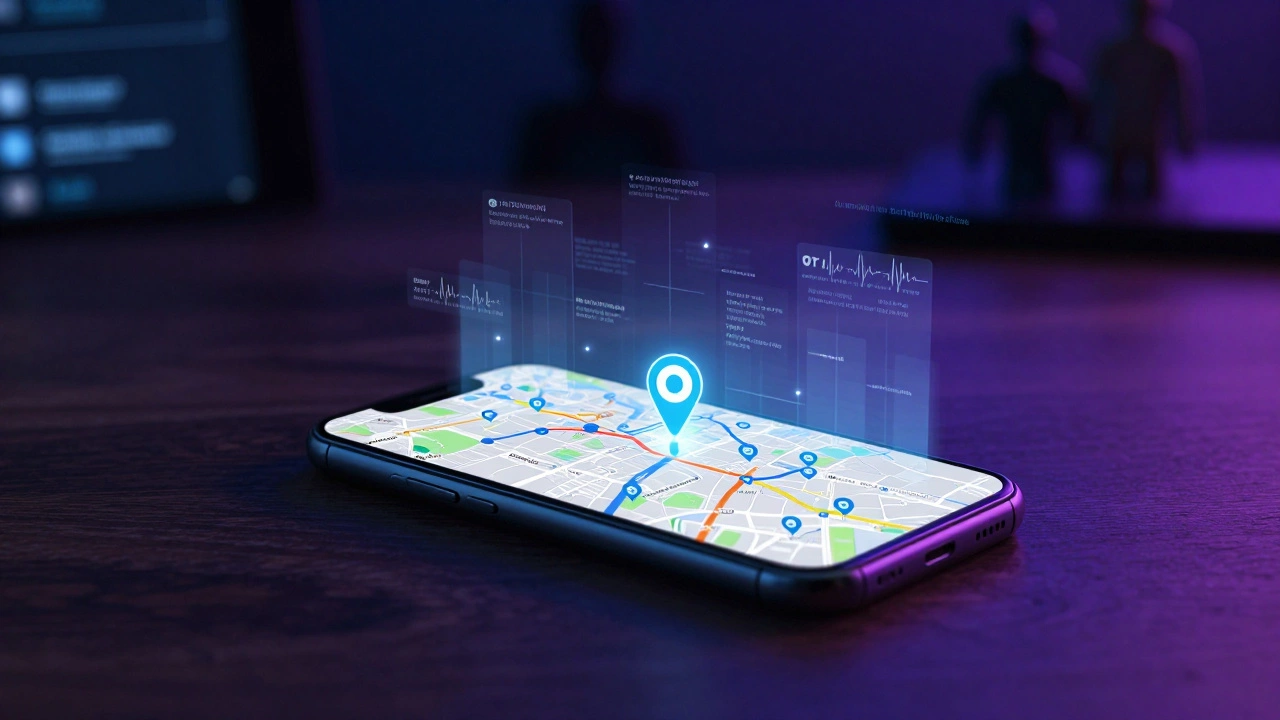
Every time you open an app, browse a website, or even just leave your phone on the table, you’re giving away more than you realize. Your location, your habits, your mood, your relationships - all of it gets packaged, sold, and reused without your consent. This isn’t science fiction. It’s the normal way digital life works today. And the worst part? Most people don’t even know how deep it goes. You think you’re just scrolling through social media. But behind the screen, companies are building detailed profiles of you - not to serve you better ads, but to predict and control your behavior. This isn’t about privacy anymore. It’s about power. And it’s being used against you every single day.
Some people turn to services like call girls in sharjah because they want anonymity, control, or escape from surveillance. But even there, digital footprints follow. Your search history, your payment method, your device ID - all of it leaves traces. The same systems that track your online habits are the ones monitoring those who seek privacy offline. It’s a cruel irony: the more you try to hide, the more data trails you leave behind.
What Exactly Is Being Collected?
It’s not just your name and email. Your phone tracks your movement down to the centimeter. Your smart speaker listens for wake words - but often records long before you say them. Your fitness app knows your sleep patterns, your heart rate, even your stress levels. Your shopping app knows what you buy, when you buy it, and how often you return things. Your browser remembers every site you visited, even in incognito mode. And your car? If it’s connected, it knows where you go, how fast you drive, and who you pick up.
These aren’t guesses. They’re facts. Data brokers compile this into profiles with hundreds of data points. One broker in the U.S. was found to track over 10,000 data attributes per person. That includes things like whether you’ve recently had a baby, if you’re in debt, if you’ve visited a mental health clinic, or if you’ve searched for divorce lawyers. None of this is public. None of it is yours to control.
Why Does This Matter?
Because data isn’t just used for ads. It’s used to deny you services. Insurance companies use your fitness tracker data to raise your premiums. Employers check your social media before hiring. Landlords screen tenants based on their online spending habits. Banks flag accounts for “suspicious behavior” because you bought a ticket to a protest or searched for a free legal aid service. Your digital profile doesn’t just describe you - it decides your opportunities.
And it’s getting worse. AI models now predict your future actions based on tiny patterns. If you’ve clicked on a post about depression three times, you might be flagged as “at risk” - and shown ads for antidepressants before you even realize you’re struggling. If you’ve searched for “how to leave an abusive partner,” you might start seeing ads for domestic violence shelters - but also for surveillance tools sold to abusers. The system doesn’t protect you. It exploits your vulnerability.
How Companies Use Your Data Against You
Big Tech doesn’t just collect your data. They sell it to the highest bidder. And those buyers aren’t always harmless. Advertisers? Sure. But also: private investigators, bounty hunters, immigration enforcers, and even foreign governments. In 2023, a U.S. watchdog found that location data from millions of phones was being sold to a company linked to the Chinese military. That data was used to map the movements of U.S. military personnel and their families.
And it’s not just governments. In 2024, a major U.S. retailer was caught selling customer purchase histories to a firm that specialized in identifying people who might be involved in prostitution in dubai. The retailer didn’t care who bought the data. They only cared about the profit. Your shopping list became a tool for exploitation.

What You Can Actually Do
You can’t stop all data collection. But you can make it harder. Start with your phone. Turn off location services for apps that don’t need them. Use a privacy-focused browser like Brave or Firefox with strict tracking protection. Delete apps you don’t use - especially social media. If you must use them, log in through a browser, not the app. Apps have far more access.
Use encrypted messaging. Signal is free, open-source, and doesn’t store your messages. Avoid WhatsApp if you can - it’s owned by Meta, and your chats are still used to build your profile. Use a virtual phone number for sign-ups. Services like Google Voice or Burner let you create disposable numbers that can’t be traced back to you.
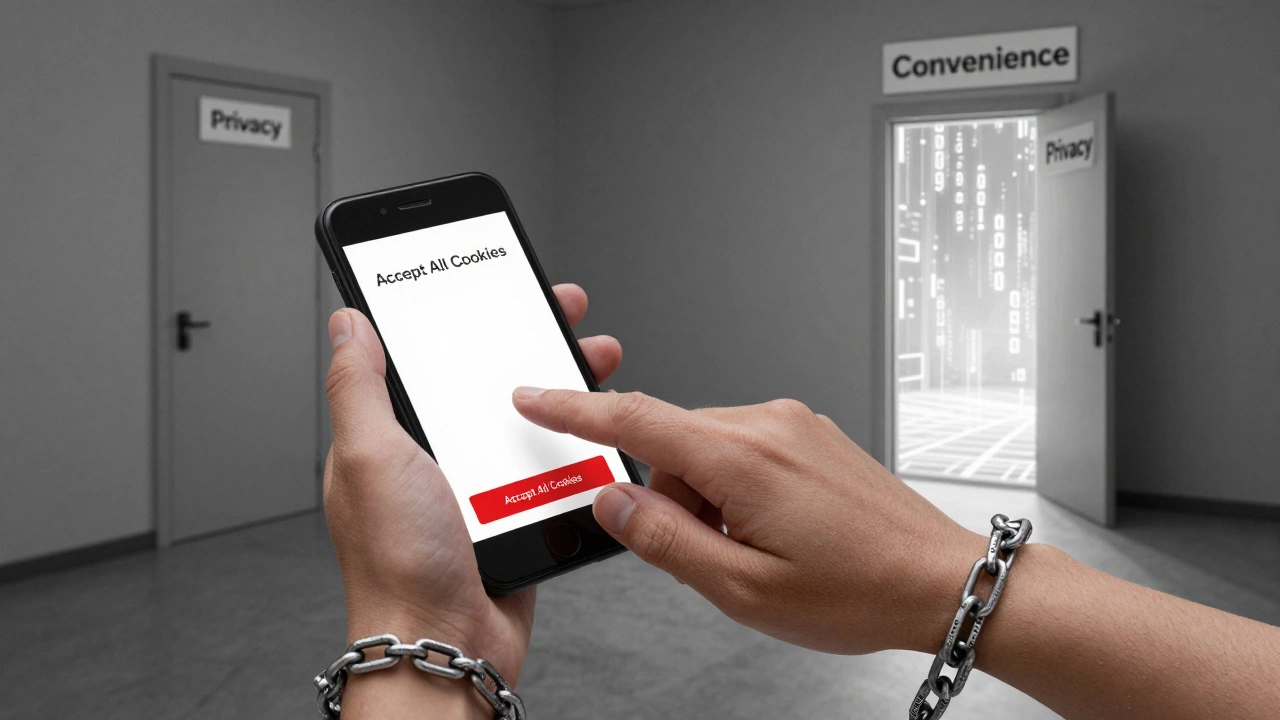
And here’s the hardest part: stop being lazy. Don’t click “Accept All Cookies.” Don’t skip the privacy settings. Don’t assume “it’s just one app.” Every permission you give is a door opened. And once it’s open, it’s rarely closed.
The Illusion of Choice
Companies will tell you, “You have control.” But what choice do you really have? If you refuse to share your data, you can’t use the app. If you don’t allow location tracking, you can’t get directions. If you opt out of data sharing, you lose access to discounts, loyalty points, or even basic customer service. This isn’t choice. It’s coercion. You’re forced to trade your privacy for access to things you need - like banking, healthcare, or even ride-sharing.
And when you do opt out? You’re labeled as “low value.” You get worse service. Fewer deals. Slower response times. Your digital identity becomes a penalty. The system punishes those who try to protect themselves.
Why This Isn’t Just a Tech Problem
This is a human rights issue. When your behavior is monitored, predicted, and manipulated, you lose your autonomy. You stop making decisions. You start reacting. You become a product - not a person. And once that happens, democracy erodes. Elections are influenced. Public opinion is shaped. Protests are suppressed. All through data.
Look at what happened in 2024 when a government used location data to identify people who attended a climate protest. They didn’t arrest anyone. They just sent them targeted ads for gas stations and SUVs. The goal wasn’t punishment. It was distraction. And it worked. Participation dropped by 40% in the next month.
Prostitution in dubai is illegal. But data brokers still track searches for it. Why? Because someone will pay for that information. And someone will use it - to shame, to blackmail, to control. The same systems that track those searches are the ones that track your political views, your medical history, your financial stress. It’s all connected. And it’s all for sale.
What’s Next?
Regulation is coming - slowly. The EU’s Digital Services Act and California’s Privacy Rights Act are steps forward. But they’re full of loopholes. Companies still find ways around them. And in most countries? There’s no law at all.
Real change won’t come from laws. It’ll come from people refusing to play along. From choosing privacy over convenience. From deleting apps, turning off trackers, and demanding transparency. It’s not easy. But it’s the only way to take back control.
Stop thinking of data collection as a technical glitch. It’s a design choice. And it’s designed to make you powerless. The question isn’t whether you’re being watched. It’s whether you’ll keep letting it happen.